Address:
145 North Second Street , Suite 101
Chowchilla, CA 93610


Managing Diabetic Retinopathy: Protecting Your Vision with Annual Diabetic Eye Exams
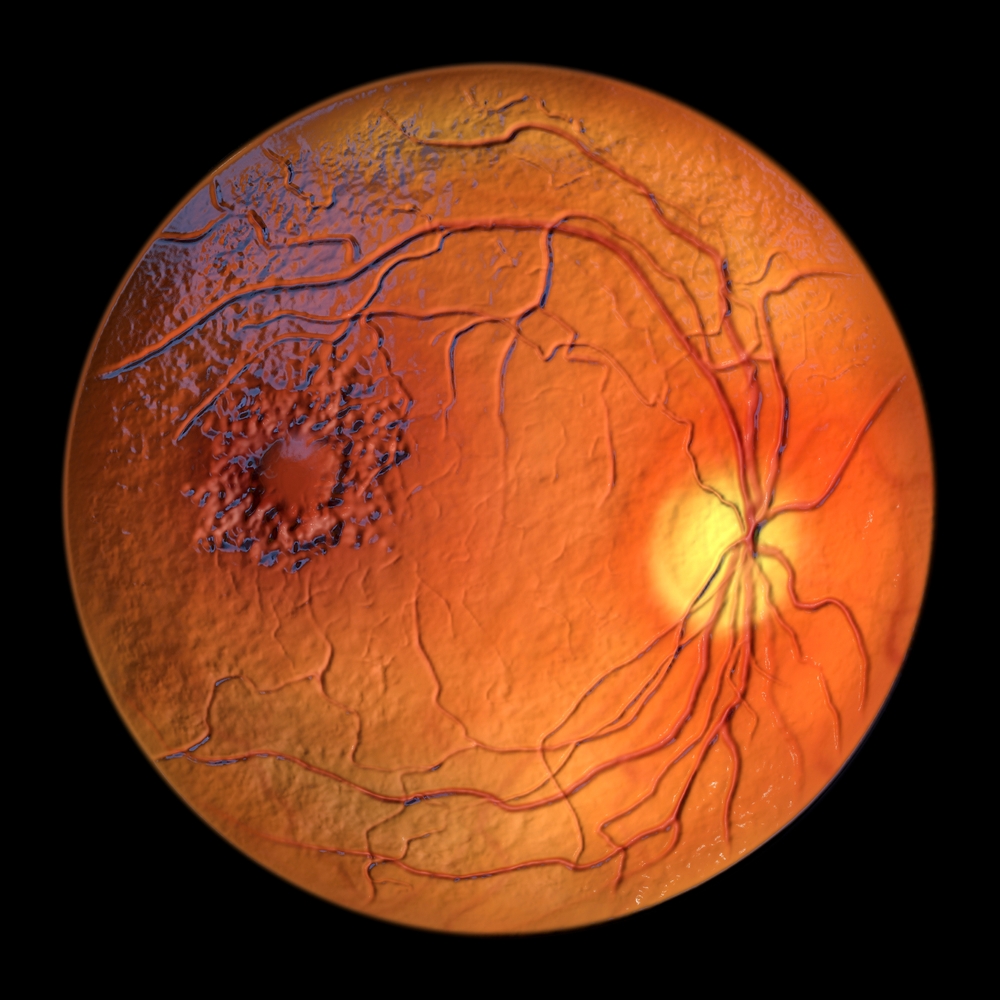
Diabetes can affect many areas of the body, including the eyes. One of the most important concerns is diabetic retinopathy, a condition caused by damage to the small blood vessels in the retina. Because early diabetic retinopathy can develop without noticeable symptoms, routine diabetic eye exams are an important part of protecting your long-term vision. At Total Vision Care Optometry, we help patients in Chowchilla and Fresno monitor their eye health and identify changes that may be related to diabetes.
What Is Diabetic Retinopathy?
The retina is the light-sensitive tissue at the back of the eye that helps send visual information to the brain. Over time, elevated blood sugar can damage retinal blood vessels. These vessels may weaken, leak fluid or blood, or develop other changes that can interfere with vision.
Diabetic retinopathy can progress gradually. In its early stages, you may still see clearly and have no reason to suspect anything is wrong. This is why waiting for vision problems before scheduling an eye exam can allow retinal changes to go unnoticed.
The Importance of Annual Diabetic Eye Exams
A comprehensive dilated eye exam allows us to examine the retina for signs of diabetic eye disease before significant vision loss occurs. Depending on your eye health, diabetes history, and previous findings, we may recommend more frequent monitoring.
Regular diabetic eye exams can help us:
• Detect early signs of diabetic retinopathy
• Monitor retinal changes from one visit to the next
• Identify swelling, bleeding, or abnormal blood vessels
• Determine when additional testing or specialist care may be necessary
• Watch for other eye conditions associated with diabetes
At our Chowchilla and Fresno offices, we can also use internal digital eye photography when appropriate to document retinal health and compare changes over time.
Managing Diabetic Retinopathy Starts Beyond the Eye Exam
Eye care is only one part of managing diabetic retinopathy. Keeping blood sugar, blood pressure, and cholesterol within the ranges recommended by your healthcare providers can help reduce the risk of diabetic eye complications or slow their progression.
It is also important to take medications as prescribed and maintain regular appointments with your primary care provider or diabetes care team. We can work alongside your other healthcare providers by monitoring how diabetes may be affecting your eyes.
What Happens If Diabetic Retinopathy Is Found?
Finding diabetic retinopathy does not automatically mean you will lose your vision. Management depends on the type and severity of the retinal changes. Mild cases may require careful monitoring and improved control of diabetes-related risk factors.
If more advanced changes are detected, we may recommend evaluation by a retinal specialist. Treatments for certain stages of diabetic retinopathy can include eye injections, laser procedures, or surgery. Detecting changes early gives your eye care team more opportunity to determine the appropriate next steps.
Keep Your Diabetic Eye Care on Schedule
Do not wait for blurry vision, floaters, or other noticeable symptoms before having your retina examined. If you have diabetes, consistent eye care can help us identify problems earlier and monitor your vision over time.
Schedule your annual diabetic eye exam with Total Vision Care Optometry to monitor your retinal health, detect diabetic eye changes early, and help protect your vision for the future. Contact our office in Fresno or Chowchilla, California, by calling (559) 435-8900 or (559) 665-3797 to book an appointment today.
© 2026 Total Vision Care Optometry. All rights Reserved - Accessibility Statement - Privacy Policy - Terms & Conditions - Sitemap
Powered by