Address:
145 North Second Street , Suite 101
Chowchilla, CA 93610


How Sleep and Nutrition Affect Eye Health
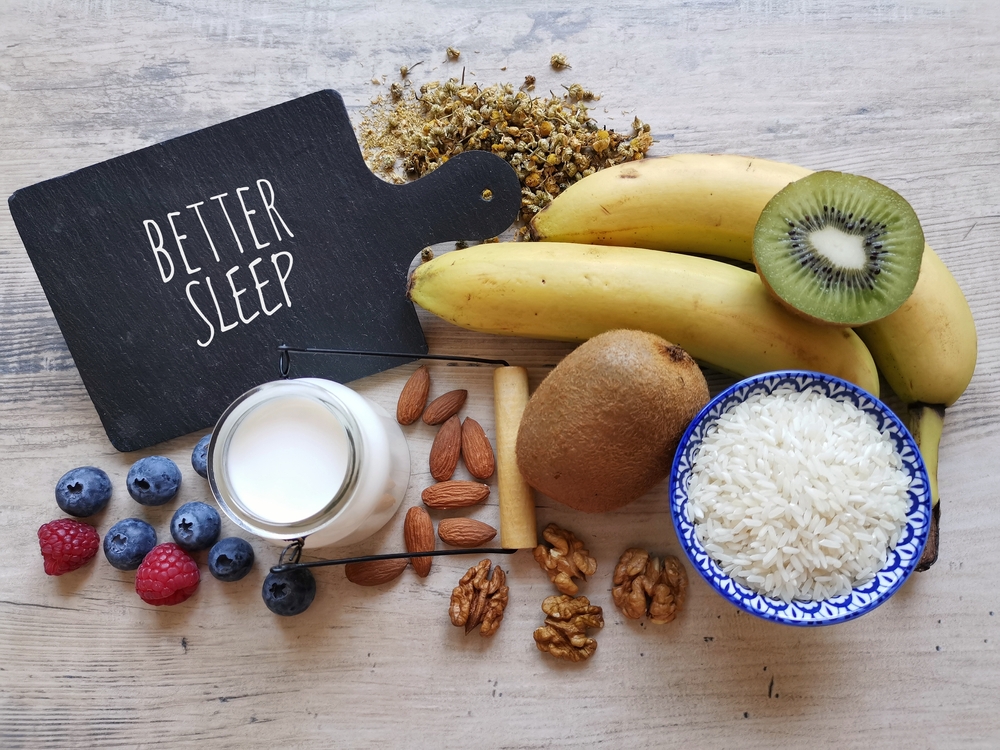
When people think about protecting their vision, they often focus on glasses, contact lenses, or reducing screen time. While those are important, two powerful factors are often overlooked: sleep and nutrition. Your eyes are living, working tissues that depend on proper rest and balanced nutrients to function at their best. Understanding how sleep and nutrition affect your eye health can help you protect your sight for years to come.
Tear Film Restoration and Dry Eye Prevention
During sleep, your eyes replenish their tear film, which keeps them lubricated and protected. Inadequate sleep can disrupt this process, leading to symptoms such as:
Dryness
Burning or irritation
Blurred vision
Sensitivity to light
Chronic sleep deprivation may worsen dry eye syndrome and make digital eye strain more noticeable.
Reduced Eye Strain and Fatigue
Lack of sleep causes the muscles around your eyes to work harder, often resulting in:
Eye twitching
Difficulty focusing
Heavier-feeling eyelids
Increased sensitivity to glare
Getting 7-9 hours of quality sleep allows your eyes to recover from daily stress, especially if you spend extended hours on screens.
Lower Risk of Long-Term Eye Issues
Research suggests that poor sleep patterns may be associated with increased risk of certain eye conditions, including glaucoma and optic nerve damage. While sleep alone doesn’t cause these conditions, chronic sleep disruption can contribute to overall systemic health problems that impact your eyes.
Vitamin A for Night Vision
Vitamin A plays a critical role in maintaining the retina and supporting low-light vision. A deficiency can lead to night blindness and dry eyes. Good sources include:
Carrots
Sweet potatoes
Spinach
Eggs
Omega-3 Fatty Acids for Tear Production
Omega-3s help support healthy tear production and reduce inflammation, making them especially beneficial for patients with dry eye symptoms. You can find omega-3s in:
Salmon
Tuna
Flaxseed
Walnuts
Lutein and Zeaxanthin for Macular Health
These antioxidants help protect the retina from harmful blue light and oxidative stress. They are commonly found in:
Kale
Collard greens
Broccoli
Peas
They may reduce the risk of age-related macular degeneration and other retinal conditions.
Why Regular Comprehensive Eye Exams Matter
Even with proper sleep and a healthy diet, some eye conditions develop without noticeable symptoms. That’s why routine comprehensive eye exams are essential.
At Total Vision Care Optometry, comprehensive exams allow us to:
Detect early signs of glaucoma, macular degeneration, and cataracts
Monitor retinal health
Identify systemic health concerns that may appear in the eyes
Address dry eye and digital strain before they worsen
Many eye diseases are most treatable when caught early. Regular exams ensure we can protect your vision proactively rather than reactively.
Take the Next Step Toward Healthier Vision
Sleep and nutrition play a critical role in maintaining healthy, comfortable vision. When your body is well-rested and properly nourished, your eyes are better equipped to function clearly and resist long-term damage. Regular comprehensive eye exams remain one of the most important steps you can take to safeguard your vision. They allow for early detection, personalized recommendations, and ongoing monitoring tailored to your unique needs.
Schedule your comprehensive eye exam at Total Vision Care Optometry and take a proactive step toward protecting your vision. Contact our office in Fresno or Chowchilla, California, by calling (559) 435-8900 or (559) 665-3797 to book an appointment today.
© 2026 Total Vision Care Optometry. All rights Reserved - Accessibility Statement - Privacy Policy - Terms & Conditions - Sitemap
Powered by